
Jǐnguǎn Shì Xuébà Xìtǒng (2026) Review: A Top Student System Turns Studying Into a School Rom-Com
If you’re hunting for a fresh school rom-com that actually feels new, Jǐnguǎn Shì Xuébà Xìtǒng, dàn Xiǎosū Tóngxué de …

Feb 09, 2026
If you’re looking for a fantasy action series that doesn’t feel like a recycled reincarnation template, I Became the First Prince: Legend of Sword’s Song has a genuinely strong hook: the reincarnated protagonist isn’t a modern human—it’s a sentient magic sword with centuries of history and a long list of “students” who became legends.
“Do you have any idea how many I’ve raised?”
That line isn’t a throwaway. It’s the premise, and it sets the tone for the series.
By the end of this guide, you’ll understand the plot, main characters, themes, why it’s picking up steam in 2026, what it does well, and a practical way to keep up with new chapters.
I Became the First Prince: Legend of Sword’s Song (2026) is a full-color, long-strip fantasy action adaptation with 21 chapters currently available and a rating of 8.01. It blends reincarnation, magic, adventure, and court politics, but the twist is what sells it: the “reincarnated” being is a legendary weapon that has already shaped the world.
If you’re searching for:
…this breakdown is designed to answer those questions quickly and clearly.
The story opens on a near-mythic existence: a magic sword that has lived for several hundred years, watching over people, guiding them, and—most importantly—raising legends. This isn’t a weapon that simply gets swung around. It’s a mentor, a guardian, and sometimes the force that turns talented fighters into history-changing monsters.
Then the series drops its main twist: the sword, Magic Sword Gruhorn, suddenly takes over the body of a fifteen-year-old first prince—a royal heir known more for being uncouth and rough around the edges than for looking like a future king.
That possession isn’t just a power upgrade. It creates immediate friction:
From there, the plot becomes a two-front war: external threats in a magic-fantasy world and internal politics inside a kingdom that doesn’t realize its prince has been replaced by a living legend.
The series is built around an unusual advantage: the protagonist has experience, not potential. Gruhorn isn’t learning how the world works—he helped shape it.
Key character pillars to watch:
Magic Sword Gruhorn (in the prince’s body)
The core appeal. He’s not naïve, not easily impressed, and not interested in playing nice. His decisions feel like they come from someone who has watched “heroic ideals” fail in real time.
The First Prince (the original identity and reputation)
Even if the prince is no longer in control, his past actions and public image remain a constant obstacle. Gruhorn has to clean up a mess he didn’t make—while occasionally using that reputation when it benefits him.
The legends Gruhorn once raised (the shadow of the past)
The series name-drops a heavy legacy: the Undefeated, the Dragon Slayer who killed the Mad Dragon, the Mercenary King, and more. Whether they appear as allies, enemies, or myths, they function like loaded promises: the story is telling you these figures will matter.
This setup gives the narrative momentum. It’s not “watch a weak kid become strong.” It’s “watch an ancient force re-enter society and reshape it.”
Under the flashy fantasy and full-color combat, Legend of Sword’s Song leans into themes that give it weight.
Legacy as a burden, not a trophy
Gruhorn has created heroes. That means he also carries responsibility for what those heroes became. The story quietly asks: If you raised a legend, are you accountable for the damage they caused?
Identity vs. reputation
The prince’s body is a mask the world refuses to see past. Gruhorn can be competent, strategic, even principled—but the court may still treat him like the same “problem child.”
Power with restraint (or the lack of it)
A sword that has slain dragons doesn’t need to prove anything. The tension comes from when Gruhorn chooses not to swing—and when restraint becomes impossible.
Mentorship turned inside out
Many reincarnation stories are about being taught. This one is about the teacher returning and finding the “classroom” already burning.
A lot of reincarnation fantasy relies on familiar beats. This series earns attention by twisting the foundation.
What it does especially well:
A protagonist whose competence feels earned
Gruhorn’s capability isn’t arbitrary. It’s built into the premise: centuries of observation, battle, and leadership.
A built-in mythos that creates anticipation
When the story claims the protagonist raised the Dragon Slayer and the Mercenary King, it’s promising a world with history—and that history becomes a narrative engine.
Long-strip, full-color pacing that suits action and reveals
The format supports quick escalation, dramatic panel reveals, and readable magic-heavy fights.
Court politics without losing the action
The prince angle naturally introduces status games and suspicion, but Gruhorn’s identity keeps the story from becoming slow or overly talky.
If you enjoy reincarnation stories but you’re tired of “another gamer system” or “another bullied student,” this one feels like a reset.
The 2026 wave of fantasy adaptations is crowded, so a series needs a premise you can pitch in one sentence. “Reborn as a sword, then hijacks a prince’s body” is the kind of hook that spreads quickly.
Reasons it’s gaining traction:
With 21 chapters available, this is an easy series to follow weekly—if you can remember where you left off.
That’s where MangaTime can help:
MangaTime doesn’t host chapters, but it’s a practical way to stay consistent—especially if you’re juggling multiple ongoing fantasy series.
I Became the First Prince: Legend of Sword’s Song is worth reading if you want a reincarnation fantasy that swaps “leveling up” for centuries of earned authority, mixes royal tension with real action, and builds a world where the protagonist’s past is as dangerous as any enemy.
If you start it, tracking it in MangaTime makes it easier to keep your place and stay on top of new releases as the story grows.
Find answers to the most common questions about this topic.
If you’re hunting for a fresh school rom-com that actually feels new, Jǐnguǎn Shì Xuébà Xìtǒng, dàn Xiǎosū Tóngxué de …
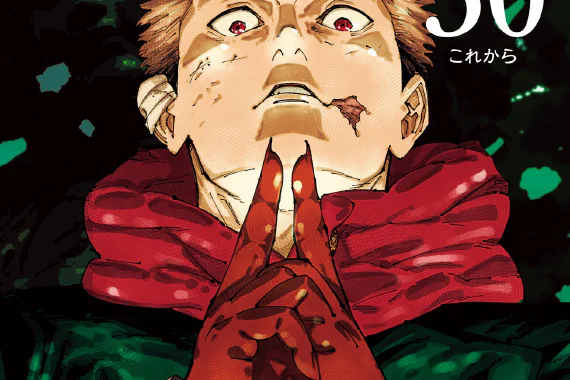
Introduction Looking for the best manga and manhwa that have been adapted into anime in February 2026? This guide …
MangaTime is the best manga tracker app that helps you organize your manga collection, track reading progress, and get notified about new chapter releases. Available on iOS & Android!
Download Now